
Sleep and Breathing Support
Explore CPAP, BiPAP, and sleep apnea support designed for real-life use at home. We help you understand your options and choose the right setup with confidence.
Sleep and Breathing Support
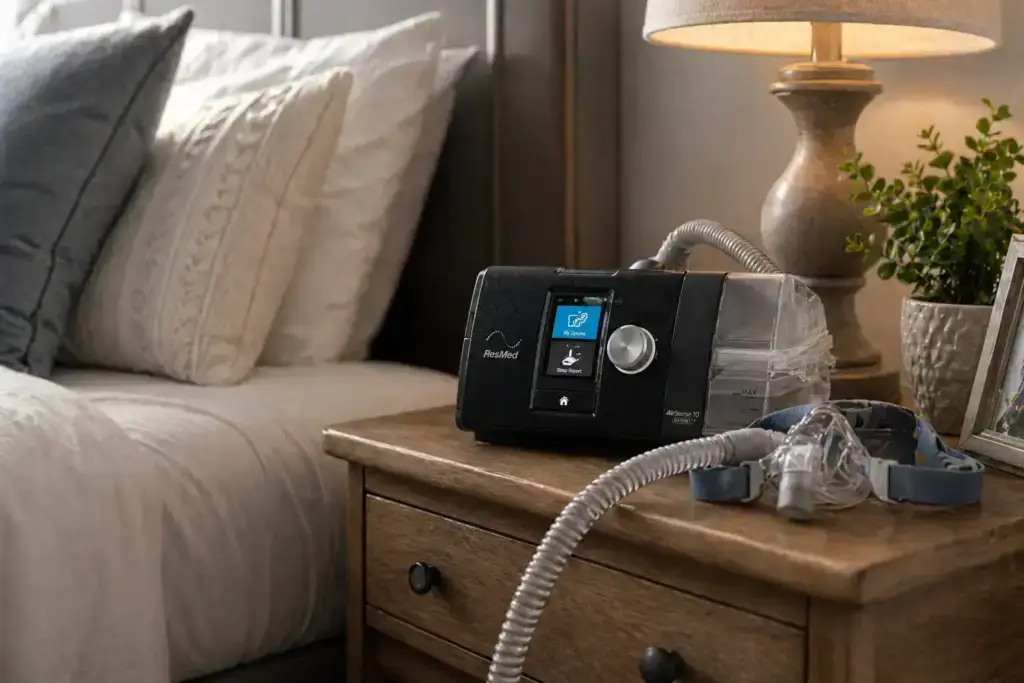
Breathe With Confidence
CPAP Equipment
CPAP equipment is the most common treatment for sleep apnea. It delivers a steady flow of air through a mask to keep your airway open while you sleep, helping prevent interruptions that lead to poor rest and fatigue.
Most people are introduced to CPAP after a sleep study. The challenge is not just getting a machine, but finding one that fits well and is comfortable enough to use every night. The right setup makes a big difference in how well it works.
Breathe With Confidence
BiPAP Equipment
BiPAP equipment provides two levels of air pressure—one for breathing in and one for breathing out. This can make breathing feel more natural for people who need more support than CPAP provides.
It is often recommended for patients with more complex respiratory needs or those who have difficulty adjusting to CPAP. Understanding when BiPAP is the better option helps ensure you get the right level of support.
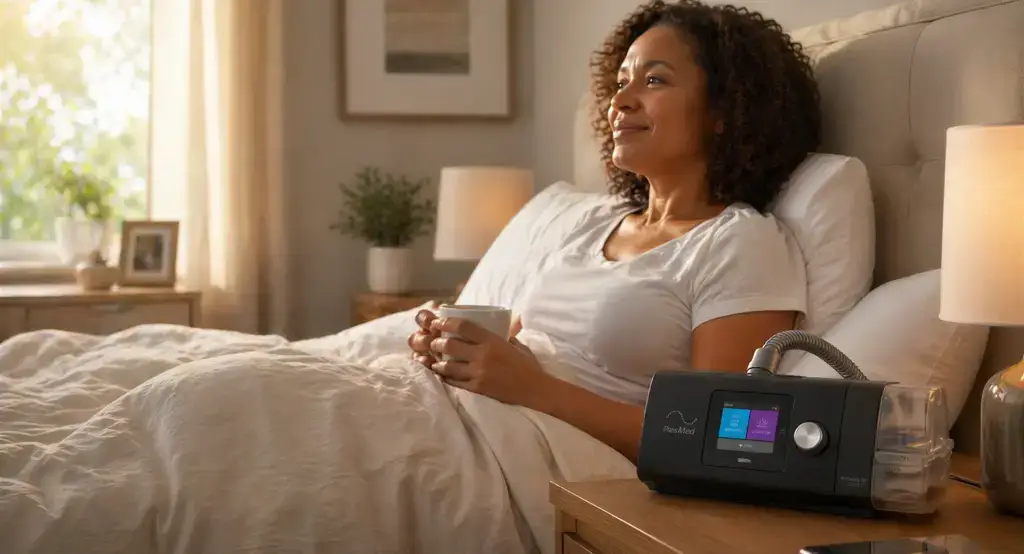
Oxygen Made Simple
Clear Guidance from Start to Setup
Getting started with respiratory equipment can feel confusing. Our role is to make it easier by giving you clear answers, helping you choose the right setup, and making sure everything works the way it should at home.
Oxygen Support Solutions
Talk to Someone Who Can Help You Get Started
If you have questions about CPAP, BiPAP, or sleep apnea, give us a call. We’ll walk you through your options and help you take the next step with confidence.
If you need oxygen equipment or aren’t sure where to start, give us a call. We’ll walk you through your options, answer your questions, and help you choose the right solution with confidence.
Common FAQ’s
Respiratory care includes equipment and support that help improve breathing and sleep. It is commonly used for conditions like sleep apnea or other breathing issues that affect daily comfort and energy levels.
CPAP delivers a constant air pressure, while BiPAP uses two different pressure levels for inhaling and exhaling. The right option depends on your condition and how your body responds to treatment.
Yes, these devices typically require a prescription from a healthcare provider. Once you have one, the next step is choosing the right setup for your needs.
Common signs include loud snoring, interrupted breathing during sleep, and waking up feeling tired. A sleep study is usually needed to confirm a diagnosis.
Many insurance plans, including Medicare and Medicaid, may cover part or all of the cost. Coverage depends on your specific plan and condition.
We are Available to Help
Get the Help You Need to Move Forward
Have questions or need equipment? Give us a call and we’ll help you understand your options and get started with the right solution.